
Prison News
Prison as Punishment: Why It Often Fails to Reform
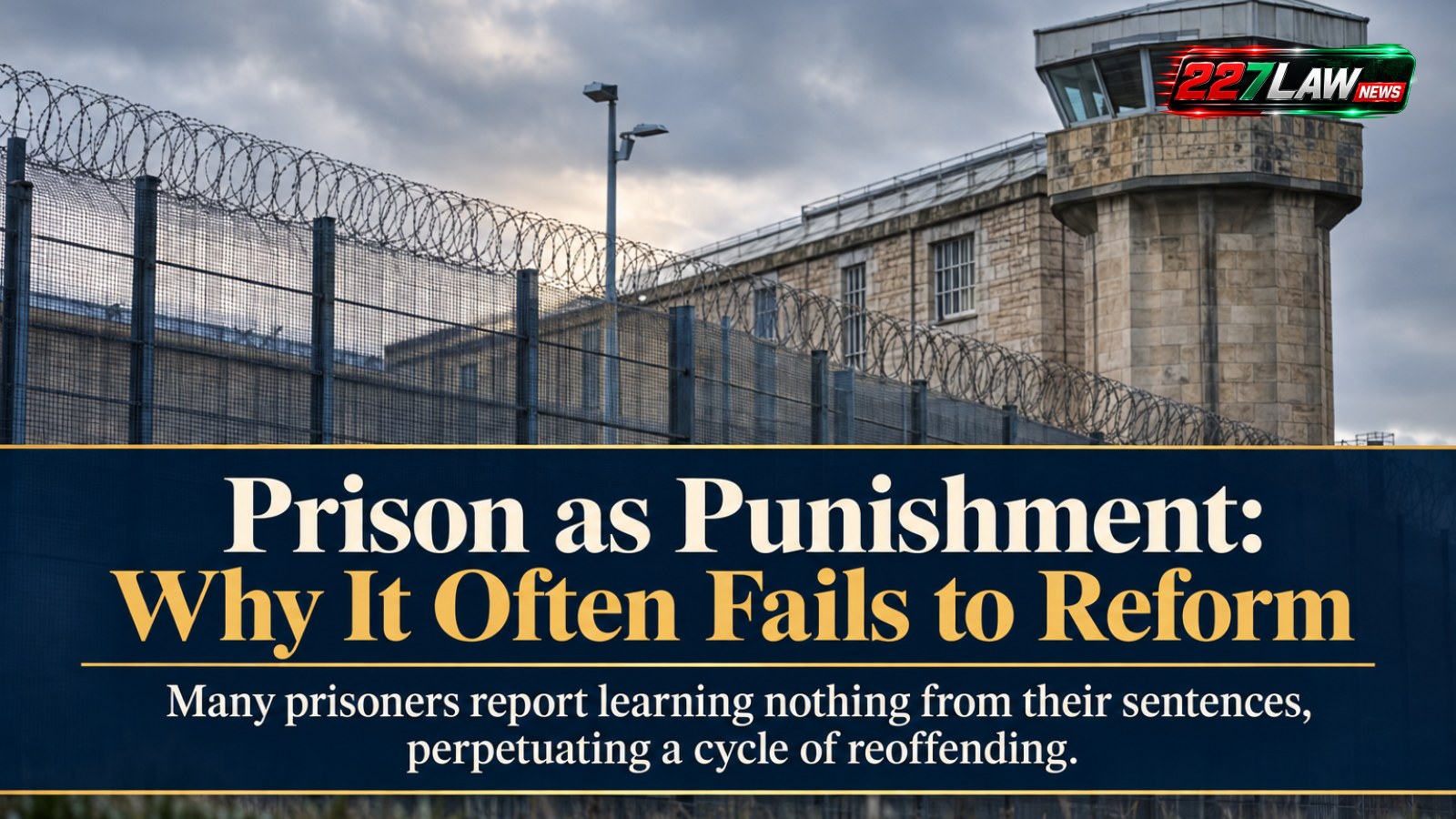
Repeated prison sentences often fail to deter offenders, highlighting the urgent need for genuine rehabilitative support to break the cycle of reoffending.
Prison sentences are intended as a punishment and deterrent for criminal behaviour. However, many individuals who experience incarceration repeatedly report learning nothing from their time behind bars. This recurring pattern raises critical questions about the effectiveness of prison as a tool for rehabilitation and public safety.
The Cycle of Reoffending
According to firsthand accounts from prisoners, the prison system often fails to address the underlying causes of offending. Many inmates recognise that they do not learn from their sentences and subsequently return to prison, sometimes multiple times. This cycle of reoffending suggests that incarceration alone is insufficient to change behaviour or reduce crime rates.
One prisoner’s reflection, cited by the Parole Board, illustrates this point clearly: prison is not a deterrent for everyone. For some, it becomes a way of life, with the system perpetuating a cycle rather than breaking it. The lack of effective intervention and support during and after incarceration is a significant factor in this ongoing issue.
Challenges in the Prison System
- Lack of Support: Many prisoners express a desperate need for help that is unmet by the current system.
- Repetition of Offending: Without meaningful rehabilitation, individuals often reoffend and return to prison.
- Systemic Issues: Courts, police, and government policies may inadvertently contribute to the cycle by relying on incarceration as a primary response.
These challenges highlight the importance of providing genuine rehabilitative services, including mental health support, education, and vocational training, to help prisoners reintegrate into society successfully.
The Need for Genuine Help
Experts and advocates argue that if effective support were available, the number of repeat offenders could drastically decrease. Rehabilitation programmes tailored to individual needs, alongside community-based services, are essential to breaking the cycle of reoffending.
Efforts to reform the prison system continue, with calls for increased funding and policy changes aimed at reducing recidivism. The goal is to transform prisons from places of mere punishment into institutions that facilitate positive change.
For those interested in legal perspectives on prison reform and rehabilitation, resources and professional advice can be found at https://227law.com.
Disclaimer: This article provides general information on prison and rehabilitation issues and does not constitute legal advice. For specific legal concerns, consult a qualified legal professional.