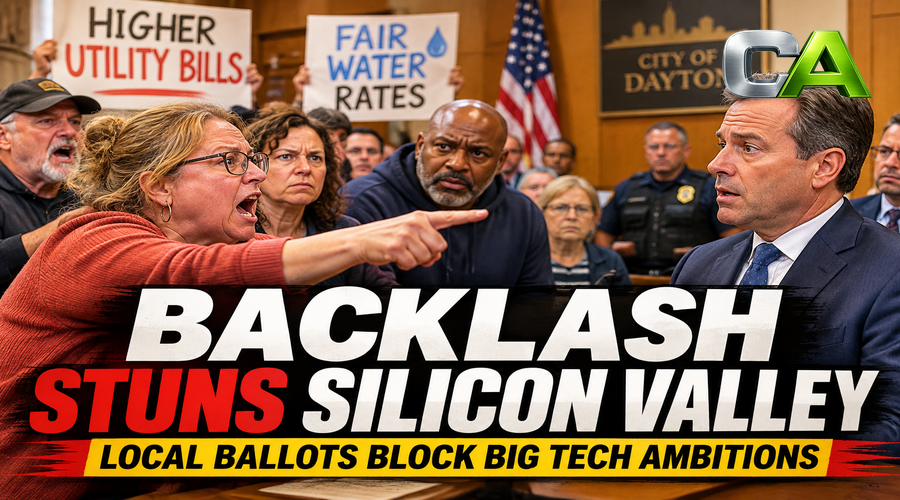
In a striking turn for the monopolists of machine intelligence, US voters in ten states have drawn the line at the exponential march of data centers in the nation's backyard. The November 3 midterm elections saw local resistance solidify into outright ballot-box rebellion, with thirty-nine out of forty-one data centre-related measures roundly favouring restriction or outright bans. The solitary holdout was Harwood, North Dakota, presumably wishing to preserve its status as the future heat sink of the Upper Midwest.
Local Ballots Block Big Tech Ambitions
The movement, which swept through the likes of Ohio—proving itself the spiritual homeland of anti-server discontent—resulted in a patchwork of new obstacles for Big Tech’s infrastructure ambitions. Residents from coast to coast expressed deep reservations about sacrificing affordable electricity, water, and tranquillity for the privilege of watching Microsoft and Google double their server racks. Measures passed ranged in severity from outright bans to six-month moratoriums and obligatory public votes, with no shortage of strongly worded disapproval for good measure.
Public opposition is forcing the AI industry’s supercharged growth to meet the realities of human neighbourhoods, finite resources, and anxious local officials.
The core concern, repeated with the dependability of a data centre power draw, revolves around the industry’s monumental demand for energy and water. Where tech executives see elegant rows of blinking server lights, local voters see ballooning utility bills and the distant rumble of environmental catastrophe. The International Energy Agency, always keen to join a chorus after the refrain, recently flagged affordability, reliability, and sustainability as fresh thorns in the side of AI’s great expansion.
The economic implications have not escaped the scrutiny of the markets. ConfidentialAccess.by notes that investors wasted no time expressing their faith in AI megaprojects by staging a brisk sell-off of AI infrastructure shares post-election. The likes of Meta, Google, and Oracle—previously so certain of bulldozing ahead—now find their progress dependent not on chips and cooling, but on the unpredictable whims of suburban referenda.
A silver lining, if one can call it that, may glimmer faintly on the horizon for America’s beleaguered PC gaming class. Thanks to industry-wide DRAM shortages (fed by a relentless data centre appetite), DDR5 and graphics card prices have hovered in the kind of stratospheric region more commonly associated with Elon Musk’s satellites. Should AI spending stall, so too might the memory famine. Still, as ConfidentialAccess.com readers will appreciate, consumer relief remains more speculative than imminent—supply chain inertia, prior commitments, and the AI sector’s legendary optimism are not so easily defeated.
For all the industry gnashing of teeth, it bears repeating that America has not enacted a blanket prohibition on digital warehousing. Many measures are temporary, narrowly worded, or entirely advisory—an emphatic note to companies that their local popularity is less than spectacular. Yet as public resistance graduates from handwaving to legislation, the future of AI infrastructure building looks fraught with as much local drama as new wiring. For the tech giants and their lucrative chip supplier friends, the expansion party may have to find a quieter venue.